


The lazy version of this debate says Semrush vs Ahrefs is about which platform has more features. That framing usually leads to the wrong purchase, because most SEO teams don't lose time to missing features, they lose time to a tool that doesn't match how they report, plan, and collaborate.
I've run audits in both tools, and the difference shows up after the first login, when the workflow either feels natural or starts creating friction. If your team is choosing between them, or deciding whether a consolidated platform like SemDash is a better fit, the smarter question is simpler, which system fits your daily motion without forcing you to rebuild your process around it?
| Dimension | Semrush | Ahrefs |
|---|---|---|
| Core orientation | Broader marketing suite | SEO and link-focused platform |
| Keyword workflow | Deeper planning signals, intent, PPC context, clustering | Strong discovery and traffic attribution |
| Global coverage | Strong U.S.-centric depth | Broader country coverage |
| Backlink workflow | Broader backlink surface | Stronger link-centric analysis |
| Gap analysis | Narrower competitor ceiling | Broader multi-domain comparison |
| Best fit | Marketing teams, PPC-heavy workflows, U.S.-heavy planning | SEO teams, link building, international coverage |
Table of Contents
- Why This Comparison Is Really About Workflow Fit
- How Each Platform Thinks About SEO
- Keyword Databases and SERP Freshness Compared
- Backlink Indexes and Competitive Gap Workflows
- Interface, Reporting Limits, and Daily Usability
- Pricing, Integrations, and the Hidden Cost of Each Suite
- Which Tool Fits Which SEO Role
- A Decision Framework and Where SemDash Fits
Why This Comparison Is Really About Workflow Fit
The strongest reason to compare Semrush vs Ahrefs isn't raw capability, it's fit. A team can have access to all the right reports and still make slow, messy decisions if the platform doesn't match how they gather data, review it, and hand it off.
The question behind the tool choice
Semrush usually works best when SEO is only one part of the job. If you're also responsible for PPC, content planning, local visibility, or stakeholder reporting, its broader surface area reduces context switching, even if the interface takes longer to learn. Ahrefs feels cleaner when the work starts and ends with organic search, backlink review, and competitive discovery.
That difference matters because the tool has to fit the cadence of the team, not the other way around. A consultant who needs to turn around a quick audit for a client usually values clarity and speed differently than an in-house lead coordinating with paid media and content teams.
Practical rule: choose the platform that matches your weekly workflow, not the one that wins a feature checklist on paper.
For an SEO agency or consultant looking for help in Auckland, I'd treat the market itself as part of the decision, not an afterthought, and I'd look at a local service page like NiKa Consulting Group as an example of how regional needs shape tool choice and reporting expectations.
Why a third path keeps coming up
Some teams don't want two large suites at all. They want keyword research, backlink analysis, SERP tracking, and content planning in one place without paying for marketing modules they won't use. That's where a consolidated platform becomes relevant, not as a replacement for every enterprise stack, but as a fit for teams that care more about efficient execution than sprawling tool depth.
The point isn't that one product is universally better. The point is that the question has changed from “which one is stronger” to “which one helps my team move without friction.” That's the lens I'd use before looking at any feature list.
How Each Platform Thinks About SEO
Semrush and Ahrefs don't just differ in features, they differ in how they think about search work. Semrush was built outward from keyword research into a broader marketing system, while Ahrefs grew from backlink analysis into a more SEO-specific environment.
Semrush treats SEO as part of a larger marketing stack
Semrush feels designed for teams that move between organic search, paid search, content, and local visibility in the same week. Its keyword research workflow reflects that mindset, because it surfaces intent, PPC signals, clustering, and Personal Keyword Difficulty in one environment. That makes it easier to move from research to planning without stitching together separate tools.
That design also explains why the platform can feel crowded at first. There are more modules, more pathways, and more places to click. The upside is that a team often needs fewer external add-ons once it settles into the system.
Ahrefs treats SEO as the center of gravity
Ahrefs still reads like a platform built for people who care first about rankings, links, and competitor discovery. Its keyword explorer is strong for uncovering what competitors rank for and how traffic is flowing, but it doesn't try to be a full marketing suite. That focus is exactly why many SEO specialists prefer it.
The downside is just as real. If paid search, content workflows, and broader campaign reporting are part of the job, Ahrefs can feel narrower than the team needs. It's efficient when the job is SEO, less complete when the job is cross-channel planning.
If your team talks in funnels, campaigns, and channel overlap, Semrush tends to feel more natural. If your team talks in links, rankings, and content gaps, Ahrefs usually does.
For teams planning around AI search and modern content workflows, Stimulead's AI search guide is a useful companion read because it frames visibility as a broader search problem, not just a keyword problem.
The main thing I've learned is that both platforms reward specialists, but they reward different kinds of specialists. Semrush suits the operator who needs breadth. Ahrefs suits the analyst who wants sharper SEO focus.
Keyword Databases and SERP Freshness Compared
Keyword scale is one of the few areas where the numbers are close enough that the difference comes down to market emphasis. Independent 2026 reviews report Ahrefs at about 28.7 billion keywords across 217 locations, while Semrush sits around 27.8 to 28.4 billion keywords across 142 locations. Another comparison reports 3.8 billion U.S. keywords for Semrush versus 2.5 billion U.S. keywords for Ahrefs, which gives Semrush the edge in U.S.-centric discovery while Ahrefs shows broader geographic reach. Those figures come from Smart Guide Hubs and SE Ranking.
What those database differences mean in practice
A bigger country footprint matters when you're running international SEO, multilingual content planning, or regional competitor research across several markets. In that setup, Ahrefs tends to feel broader, because the country coverage lets you inspect more local variations and market-specific query patterns.
Semrush's deeper U.S. coverage matters more when the business lives in American search behavior. I've seen that pay off in local SEO, editorial planning, and keyword prioritization for U.S. brands where subtle volume differences can change the roadmap. The practical takeaway is that neither tool is merely “larger.” They emphasize different market shapes.
Freshness matters more than raw scale
Database size only helps if the ranking and SERP data are fresh enough to trust. I'm careful here because freshness isn't just a vanity metric, it affects whether a sudden drop is a real issue or just a transient fluctuation. When I'm checking a volatile SERP, I want to know which tool is more reliable for spotting changes early and which one is better used for trend confirmation rather than immediate reaction.
Workflow note: use the tool that matches the decision speed of the campaign. Fast-moving pages need quicker checks, while stable pages can tolerate slower review cycles.
| Metric | Semrush | Ahrefs |
|---|---|---|
| Total keyword scale | About 27.8 to 28.4 billion | About 28.7 billion |
| Country locations | 142 | 217 |
| U.S. keyword depth | About 3.8 billion U.S. keywords | About 2.5 billion U.S. keywords |
| Best use case | U.S.-heavy planning and local discovery | Broader global coverage |
For my own audits, that usually means Semrush is the better fit when I'm building U.S. content calendars or local SEO priorities, while Ahrefs is the better fit when the market map spans multiple regions. The databases are close enough in scale that the decision comes down to geography, not just size.
Backlink Indexes and Competitive Gap Workflows
Backlinks are where Ahrefs earned a lot of its reputation, and that reputation still makes sense in real work. The problem with most comparisons is that they flatten different backlink metrics into one headline number, even though those numbers often measure different things. One comparison cites Semrush at 43 trillion backlinks and Ahrefs at 35 trillion backlinks, while another notes Ahrefs has 500+ million referring domains. Those figures come from OneLittleWeb, and I wouldn't treat them as interchangeable because they don't describe the same layer of the link graph.
Where Ahrefs usually pulls ahead
Many SEOs still prefer Ahrefs for link work, not just because of scale, but because of how the data is exposed. Its Content Gap and Link Gap style workflows are built for multi-domain comparison, and one independent comparison reports that Ahrefs can benchmark against up to 10 competing domains, while Semrush limits comparable gap workflows to 4 competitors. That matters when I'm mapping a broad peer set for outreach or trying to see which sites link to multiple rivals but not to the client.
Where Semrush still earns a place
Semrush isn't weak here. It tends to give a broader backlink surface with features that support toxicity review, outreach, and campaign management. If the team wants to fold backlink discovery into a broader marketing process, that wider surface area can be useful. The tradeoff is that the backlink workflow often feels more integrated into a suite than centered as the main event.
The cleanest way I've found to judge this is to run both against the same competitor set and inspect which one surfaces the linking domains that actually matter for outreach prioritization. The numbers are useful, but the actionable links are what decide the budget.
Here's the part teams miss, gap analysis isn't just about finding missing links, it's about finding repeatable patterns in who links to whom. Ahrefs usually makes that pattern easier to spot when the peer set is wide. Semrush is easier when the question is how backlinks fit into a larger campaign picture.
One platform doesn't win because it has a louder headline number. It wins if the link discovery view matches the way you plan outreach, refresh content, and defend market share.
The practical choice is to compare the same competitor set in both tools before assuming the default advice is right.
Interface, Reporting Limits, and Daily Usability
A tool can look impressive in a demo and still waste time in daily use. That's why the interface question matters more than it gets credit for, especially when you're moving between client accounts, building reports, and checking tables on a laptop that's already full of tabs.
What the daily experience feels like
Ahrefs usually feels easier to use because the surface area is narrower and the path from dashboard to report is more direct. Semrush has more modules, more labels, and more destinations, which can feel overwhelming early on but reduces the need to bolt on external tools later. I've found that tradeoff becomes obvious after a few weeks, when “more options” starts to mean “more places to get lost.”
That difference also affects reporting. A practical side-by-side review noted that Ahrefs supports unlimited verified domains on higher-tier plans and unlimited reports, while Semrush's entry-level plans give higher raw reporting caps. That came from Style Factory Productions, and it matches the way I've seen agencies behave in the wild.
Reporting limits shape workflow more than people expect
If you're jumping across many accounts, Ahrefs can feel more forgiving once you're on the right tier because domain management doesn't become the bottleneck. If your work depends more on the breadth of marketing data and frequent reporting at the entry level, Semrush can be easier to start with. Neither setup is universally better, it depends on whether your daily friction comes from domain volume or from information breadth.
For teams tightening stakeholder reporting, reporting best practices are worth revisiting because the quality of the report matters just as much as the data source.
Practical rule: if your team spends more time formatting reports than reading them, the platform isn't really saving time yet.
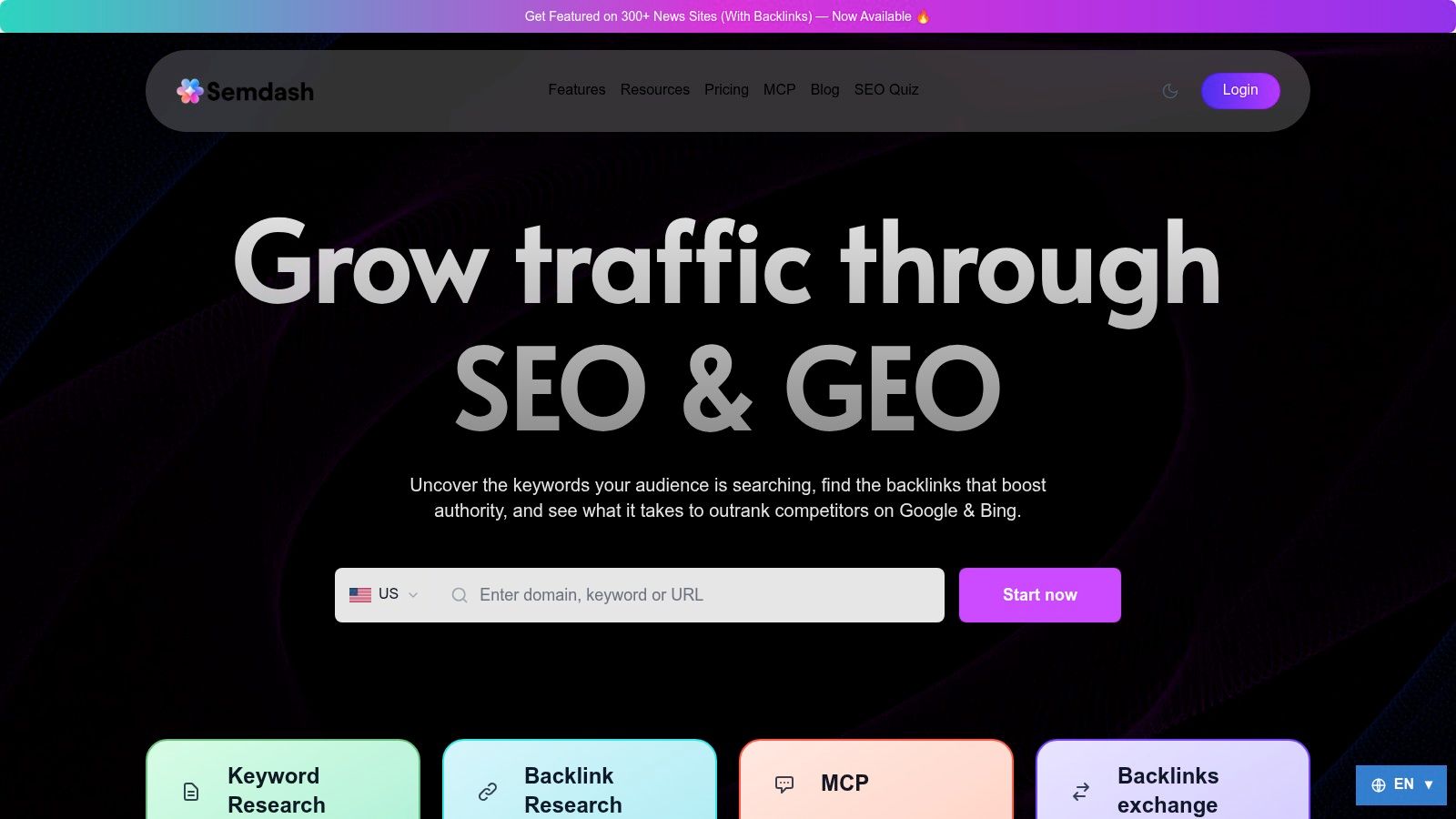
A clean UI doesn't automatically make a better platform, but it does reduce the number of small failures that slow a week down. That's why I pay attention to readability, navigation depth, and how often I have to pause to interpret a table instead of acting on it.
Pricing, Integrations, and the Hidden Cost of Each Suite
The pricing gap between Semrush and Ahrefs looks small at the entry level, which is exactly why teams underestimate the total cost. A May 2026 comparison lists Semrush SEO Toolkit at $139.95 per month and Ahrefs Lite at $129 per month, so both sit firmly in the premium tier. That pricing context comes from Konabayev, and it lines up with how these tools are positioned commercially.
The hidden cost is usually in what you outgrow first
Semrush makes the most sense when you'll use the broader suite. It bundles content, PPC, and local functionality, so the cost can be easier to justify if those modules replace other subscriptions. Ahrefs often feels more focused, which is a benefit if most of what you need is SEO research, but you can still end up paying more than expected once reporting depth, seats, or usage limits start shaping the workflow.
That's the trap. Buyers compare the starting price and forget to compare the upgrade triggers. In practice, those triggers are usually tracked keywords, historical data, seat count, and reporting volume.
Integrations matter when the team lives in other systems
If your reporting stack already runs through Looker Studio, Google Sheets, Slack, Trello, or an agency dashboard, the integration question is less about what the tool can do and more about how often you need connectors. Semrush's breadth can reduce the number of extra tools you need around it. Ahrefs tends to stay closer to the SEO core, which keeps the workflow tight but can push some surrounding tasks into other platforms.
For teams comparing focused SEO software against broader suite alternatives, this Ahrefs alternatives overview is useful because it shows how quickly add-on decisions can change the total budget.
| Cost factor | Semrush | Ahrefs |
|---|---|---|
| Entry-level price signal | $139.95/month | $129/month |
| Suite breadth | Broader marketing suite | SEO-focused platform |
| Typical hidden cost | Paying for modules you may not use | Usage or reporting limits on smaller plans |
| Best fit | Teams using multiple marketing functions | Teams prioritizing SEO depth |
I've seen teams overpay in both directions. Some buy the broad suite and only use one corner of it. Others buy the focused tool and then patch together the rest of their workflow with separate subscriptions.
Which Tool Fits Which SEO Role
The cleanest way to choose is by role, because different jobs create different kinds of pain. A solo consultant, an agency lead, and an in-house content strategist may all care about SEO, but they don't care about the same bottlenecks.
In-house SEO specialist
If your day revolves around rank tracking, briefs, internal reporting, and competitor checks, Ahrefs usually feels leaner and faster. The interface is less noisy, and the core SEO workflows are easy to repeat without digging through extra product layers. I'd move to Semrush only if your role regularly crosses into paid search, local planning, or broader stakeholder reporting.
Agency running many accounts
For a team managing 30+ client accounts, Semrush often makes more sense because the reporting and workflow breadth can reduce friction across a large portfolio. That lines up with the side-by-side agency test cited in the brief, which found Semrush stronger for scale, reporting, local SEO, and PPC integration across 240 client accounts and 21.7 million tracked queries. I'd lean Ahrefs only if the agency's deliverable is heavily link-driven and the reporting load stays narrow.
Content marketer
If the work centers on topic clusters, intent, and content expansion, Semrush has the edge because its workflow depth ties those signals together more cleanly. Ahrefs can absolutely support content discovery, but it tends to feel more like a discovery engine than a planning environment. If the content team needs one tool to inform both SEO and paid or editorial strategy, Semrush is easier to keep in the loop.
SMB or solopreneur
If the budget is tight and the goal is to get one solid keyword list and one solid backlink view, Ahrefs often feels like the simpler purchase. It's less likely to overwhelm a small operation, and the SEO focus keeps the learning curve manageable. I'd switch that answer if the business needs local SEO, PPC awareness, or broader marketing reporting from the same login.
The one thing I'd tell every buyer is this, don't choose the platform that sounds most powerful. Choose the one that removes the most friction from your actual deliverable.
A Decision Framework and Where SemDash Fits
I use four questions to make this decision fast. First, which market matters most, global breadth or U.S. depth. Second, is your workflow rankings-first or marketing-suite-first. Third, how many reports, seats, and accounts do you really need. Fourth, what can you pay without forcing tradeoffs elsewhere.
If your answer is “we want consolidated keyword, backlink, and SERP data with AI-assisted briefs and AI Overviews citation tracking, but we don't want a full marketing suite,” that's the buyer profile where SemDash fits best. For teams comparing tool philosophy more broadly, this Semrush vs Moz breakdown is a useful reminder that the primary choice is usually about workflow shape, not brand prestige.
The simplest rule I'd apply is this. Pick Semrush if you need a broader marketing system. Pick Ahrefs if you want a tighter SEO engine. Pick a consolidated alternative if you care most about focused research, SERP analysis, and content planning without paying for modules you won't use.
If you want one platform for keyword research, backlink analysis, SERP visibility, and AI-assisted planning without the overhead of a full marketing suite, SemDash is worth a serious look. It's built for teams that want practical SEO research in one place, not a bloated login with extra modules they'll never touch. Visit it if you're ready to simplify the workflow behind Semrush vs Ahrefs and keep the research stack focused on the work that moves rankings.